Alcohol-Free Wine: Evolution or Contradiction?
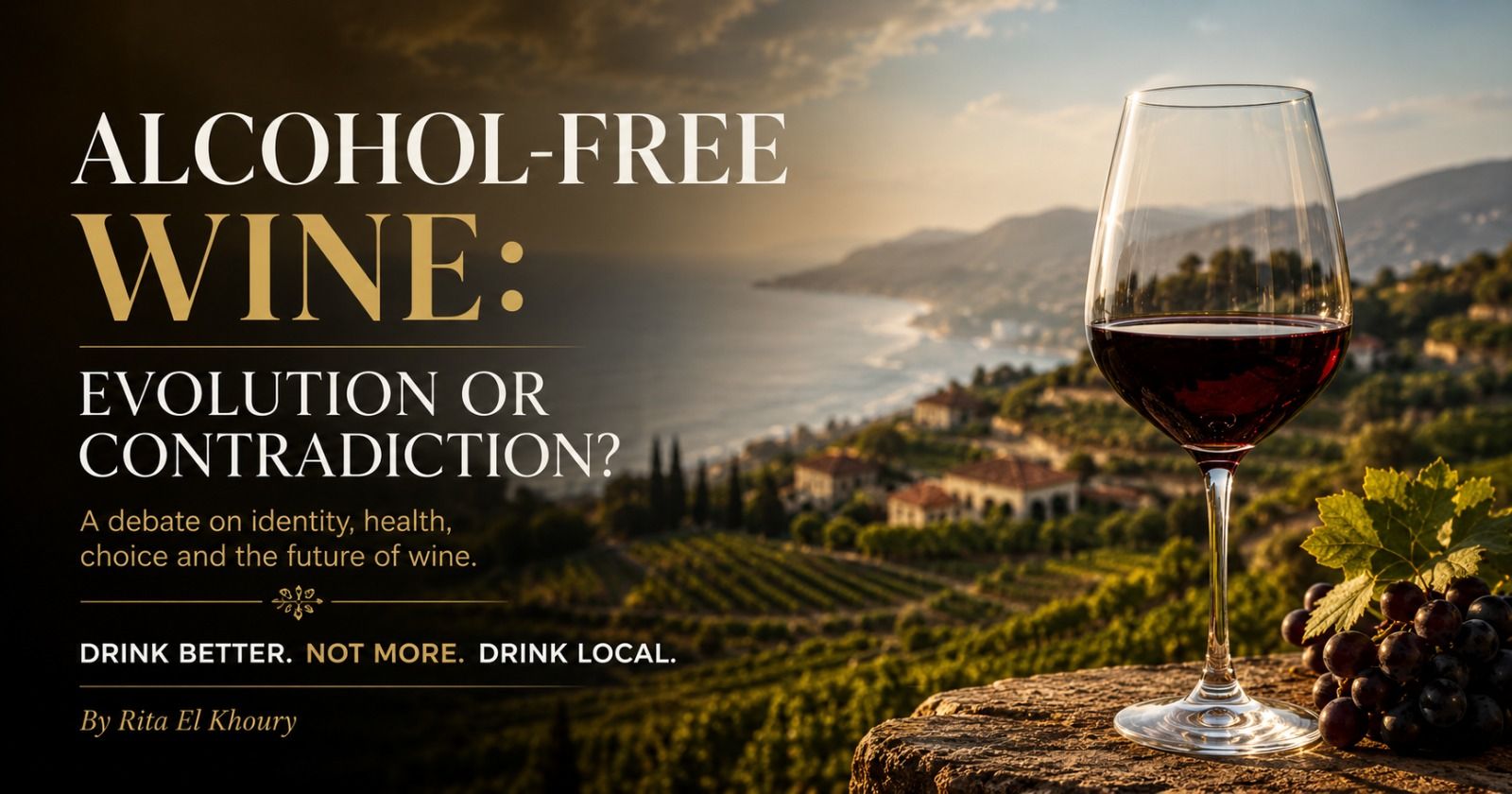
The wine industry is changing.
Consumers are changing.
And perhaps the most debated question today is this:
Is alcohol-free wine really wine?
The rise of alcohol-free wines is undeniable. Across markets worldwide, demand is growing as consumers become more health-conscious and seek alternatives that fit modern lifestyles. Younger generations, particularly Gen Z, are drinking less alcohol than previous generations. Concerns about calories, wellness, moderation, and the potential health risks associated with alcohol are influencing purchasing decisions more than ever before.
Supporters argue that alcohol-free wines answer a genuine consumer need.
Pregnant women, individuals with medical restrictions, designated drivers, and consumers pursuing healthier lifestyles all deserve options. They want to participate in social moments, celebrations, and wine culture without consuming alcohol. From this perspective, alcohol-free wines represent innovation and inclusivity.
Their argument is simple: consumer habits evolve, and the industry must evolve with them.
Critics, however, raise a different point.
Wine is not simply grape juice with alcohol added. Wine is the result of fermentation, a natural process that transforms grape sugars into alcohol. Alcohol is not merely an ingredient; it is an essential component that contributes to aroma, texture, structure, balance, and overall sensory experience.
Many wine professionals and consumers who have tasted alcohol-free alternatives agree on one thing: while some products are improving, the tasting experience remains fundamentally different.
If alcohol is removed, does the product remain wine, or does it become a new category altogether?
This is where the debate becomes interesting.
Having spent decades working in the wine industry, I believe consumers should have freedom of choice. The market should continue innovating and offering alternatives that respond to changing lifestyles and expectations.
At the same time, we must preserve the authenticity and identity of wine.
Alcohol-free beverages have a legitimate place in the market. However, traditional wine and alcohol-free wine are not the same product, either technically or sensorially. Consumers deserve transparency and clear distinctions between categories so they can make informed decisions.
Perhaps the future is not about choosing one side over the other.
Perhaps the real conversation is about moderation.
For years, the wine industry has focused on volume. Today, consumers are increasingly focused on quality, experience, and meaning.
Maybe the future is not drinking more.
Maybe the future is drinking better.
And when we choose to drink wine, there is another responsibility we should not overlook: supporting local producers.
Every bottle purchased from a local winery contributes to rural communities, agricultural sustainability, employment, tourism, and the preservation of traditions that define wine regions around the world.
Innovation matters.
Choice matters.
Authenticity matters.
But so does supporting the people behind the bottle.
My conclusion is simple:
Drink Better. Not More.
And whenever possible, Drink Local.
Because every bottle purchased from a local producer supports families, communities, traditions, and the future of our wine regions.